
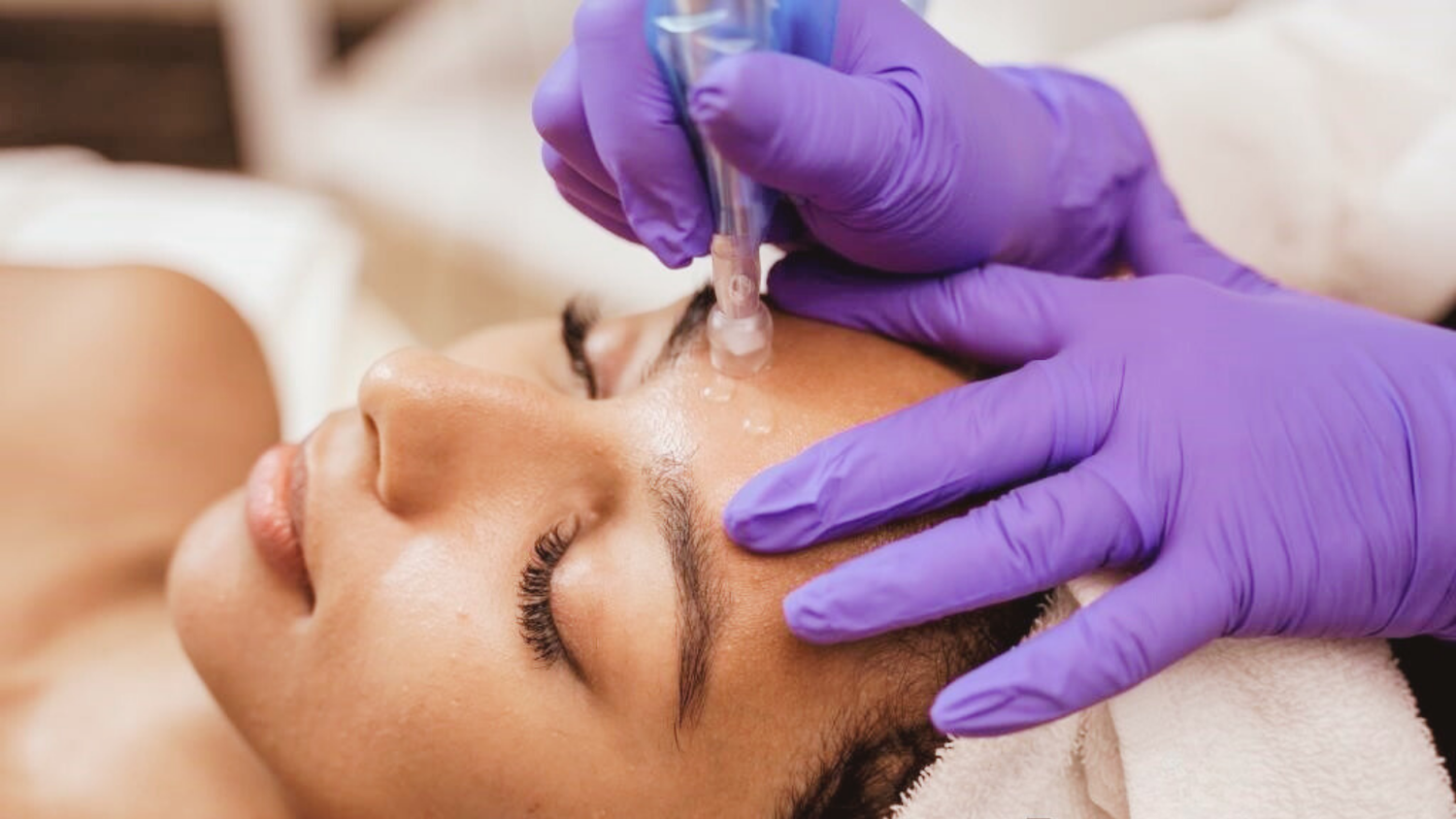
Microneedling, also known as Collagen Induction Therapy (CIT), has become one of the most popular and effective ways to rejuvenate the skin. By creating controlled micro-injuries, this minimally invasive treatment stimulates your body's natural healing process, leading to a boost in collagen and elastin.
But getting the treatment is only half the battle! Proper aftercare is crucial for achieving those coveted smooth, radiant results. Here is your essential guide to the benefits of Microneedling, along with the critical dos and don'ts for skin care before and after your session.
🌟 The Benefits of Microneedling
Microneedling's power lies in its ability to harness your skin's innate healing mechanism. A series of treatments can lead to significant improvements in:
-
Acne Scars and Other Scarring: It helps break down old scar tissue and encourages the formation of new, smoother skin cells.
-
Fine Lines and Wrinkles: The surge in collagen and elastin production firms and tightens the skin, reducing visible signs of aging.
-
Skin Texture and Tone: It leads to an overall smoother complexion and a healthy, radiant glow.
-
Enlarged Pores: The procedure can help minimize the appearance of large pores.
-
Hyperpigmentation and Sun Damage: By promoting skin cell turnover, it can reduce dark spots and uneven pigmentation.
-
Stretch Marks: Microneedling can be an effective treatment for improving the appearance of stretch marks on the body.
✅ Microneedling Aftercare: The Essential DOs
Your skin is essentially an open wound immediately after the treatment, making it highly vulnerable. Follow these rules to protect your investment and ensure optimal healing.
| Category | Recommended Action (DO) | Timeline |
| Cleansing | Be Gentle! Use a mild, pH-balanced, non-comedogenic, and fragrance-free cleanser with cool water. Wash your hands thoroughly before touching your face. Pat, don't rub, your skin dry. | First 3–5 days |
| Hydration | Moisturize Heavily! Apply Hyaluronic Acid (HA) frequently to combat dryness and tightness. HA is excellent for healing. | Immediately and continuously |
| Protection | Apply SPF 30+ Daily! Your skin is extremely sensitive to UV rays. Use a broad-spectrum mineral-based sunscreen every day, and reapply often. Wear a wide-brimmed hat if you must be outdoors. | At least 2 weeks |
| Comfort | Use Tylenol (acetaminophen) and cool compresses (not ice) to soothe any discomfort, swelling, or redness. | As needed |
| Diet | Stay Hydrated! Drink plenty of water (8-10 glasses) to support the collagen production and healing process from the inside out. | Continuously |
🚫 Microneedling Aftercare: The Critical DON'Ts
Avoiding certain products and activities is just as important as the care you provide. Breaking these rules can lead to irritation, infection, or poor results.
| Category | Action to AVOID (DON'T) | Timeline | Reason |
| Active Ingredients | Retinol/Retin-A/Vitamin A, AHAs/BHAs (Glycolic, Salicylic Acid), and harsh exfoliants or scrubs. | At least 5–7 days | These can severely irritate and burn your newly compromised skin. |
| Sun Exposure | Direct, prolonged sunlight, sunbathing, or tanning beds. | At least 2 weeks | Increases the risk of sun damage, hyperpigmentation, and burning. |
| Heat/Sweat | Intense exercise, saunas, steam rooms, hot tubs, or excessively hot showers. | At least 48 hours (or until redness subsides) | Excessive heat and sweat can increase inflammation, cause irritation, and introduce bacteria into the micro-channels. |
| Touching/Picking | Touching your face unnecessarily, picking, scratching, or exfoliating peeling/flaking skin. | Until fully healed (approx. 5–7 days) | This can introduce bacteria, lead to infection, and potentially cause scarring. |
| Makeup | Applying any makeup, especially liquid foundation. Wait for mineral makeup. | At least 24 hours (Ideally 48 hours for full coverage makeup) | Makeup can clog the open channels and lead to breakouts or infection. |
| Medication | Anti-inflammatory drugs like Ibuprofen (Advil, Motrin) or Naproxen (Aleve). | 7 days before and 7 days after | These drugs can interfere with the natural inflammatory response that is crucial for generating new collagen. |
Microneedling is a powerful tool in your journey to healthier, more resilient skin. By following these aftercare instructions diligently, you’ll maximize the incredible benefits of your treatment and love the radiant, youthful results!